Fishing Rod Maintenance Guide: How to Clean, Repair and Extend Rod Life

Anglers of every skill level are guilty of the same thing: ignoring the simple maintenance that keeps a rod fishing like new. A few minutes of care a few times a year can add years of life to your gear, and maybe save the catch of a lifetime.
Today's rods range from 5'6" ultralight to 8' heavy and beyond, but every one of them shares the same four components: the rod blank, the eyelets (guides), the reel seat, and the butt section. Here's how to keep all four in fighting shape.
Rod blank: inspect first, clean second
Run your eyes and fingers along the entire blank looking for cracks, deep scratches, or dents. Any of those can fail on a hook set or mid-battle. Cracks and dents mean the blank's days are numbered, and it's usually safer to retire the rod. A deep scratch, though, is fixable: clean the area with a cotton swab dipped in alcohol, let it air dry, fill the scratch with a small dab of super glue, and cover it with a strip of clear tape. Leave it overnight, peel the tape off, and the scratch is sealed and ready to fish.
After inspection and any repair, give the blank a proper cleaning. Two products that have worked reliably for years: Windex glass cleaner or Pledge furniture polish. Spray onto a lint-free cloth, rub down the whole blank, and the rod comes back to its original color and luster.
Eyelets and guides: the line's highway
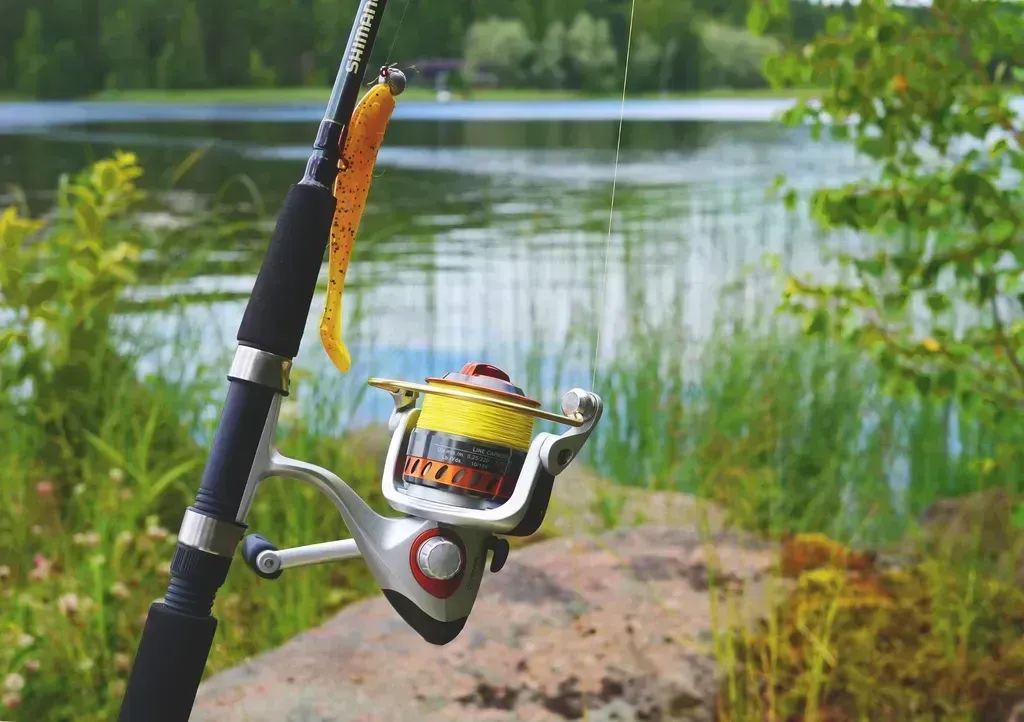
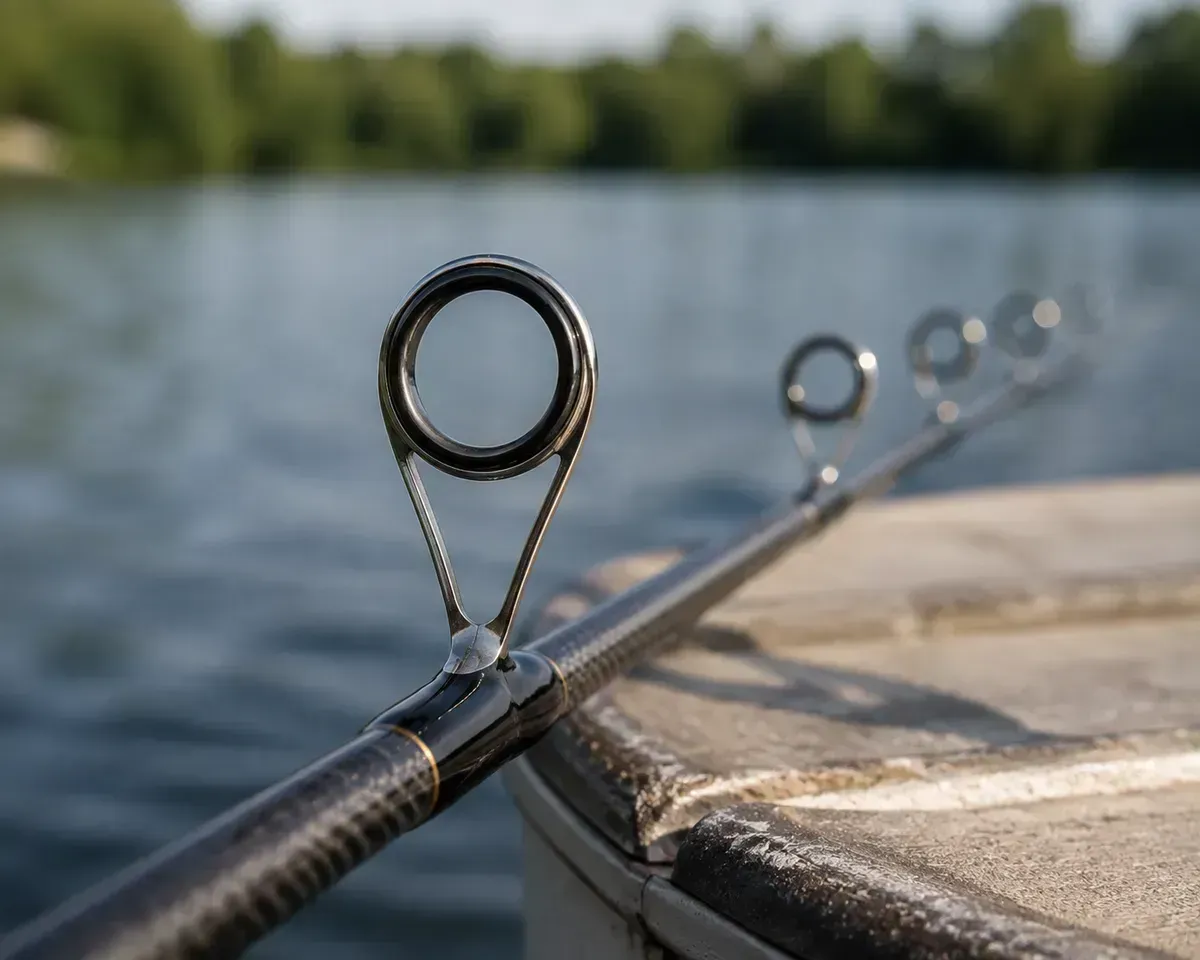
The eyelets carry your line on the cast and on the retrieve, so they deserve the closest attention. Start with the thread wraps that hold each guide to the blank. Small thread damage can be sealed with the same super glue and tape trick. If a lot of thread is scraped away, rewrap the guide by hand with thread of the same color, then seal it with clear fingernail polish or a two-part clear resin.
Next, swish a cotton swab around the inside of every eyelet to check for burs or scratches that could fray your line. Found one? Replace the guide, or smooth the bur with fine-grit sandpaper. Re-test with a fresh cotton swab; if it passes cleanly, the guide is ready. Guides with ceramic inserts, which most quality rods use today, wear far slower than all-metal rings, so this check usually comes up clean.
Pay extra attention to the tip-top guide. It takes abuse from rocks and hard surfaces, and the damage is easy to miss at the time. The good news is tip tops are cheap and easy to replace, and there are plenty of guides and instructions online.
Reel seat: the forgotten zone
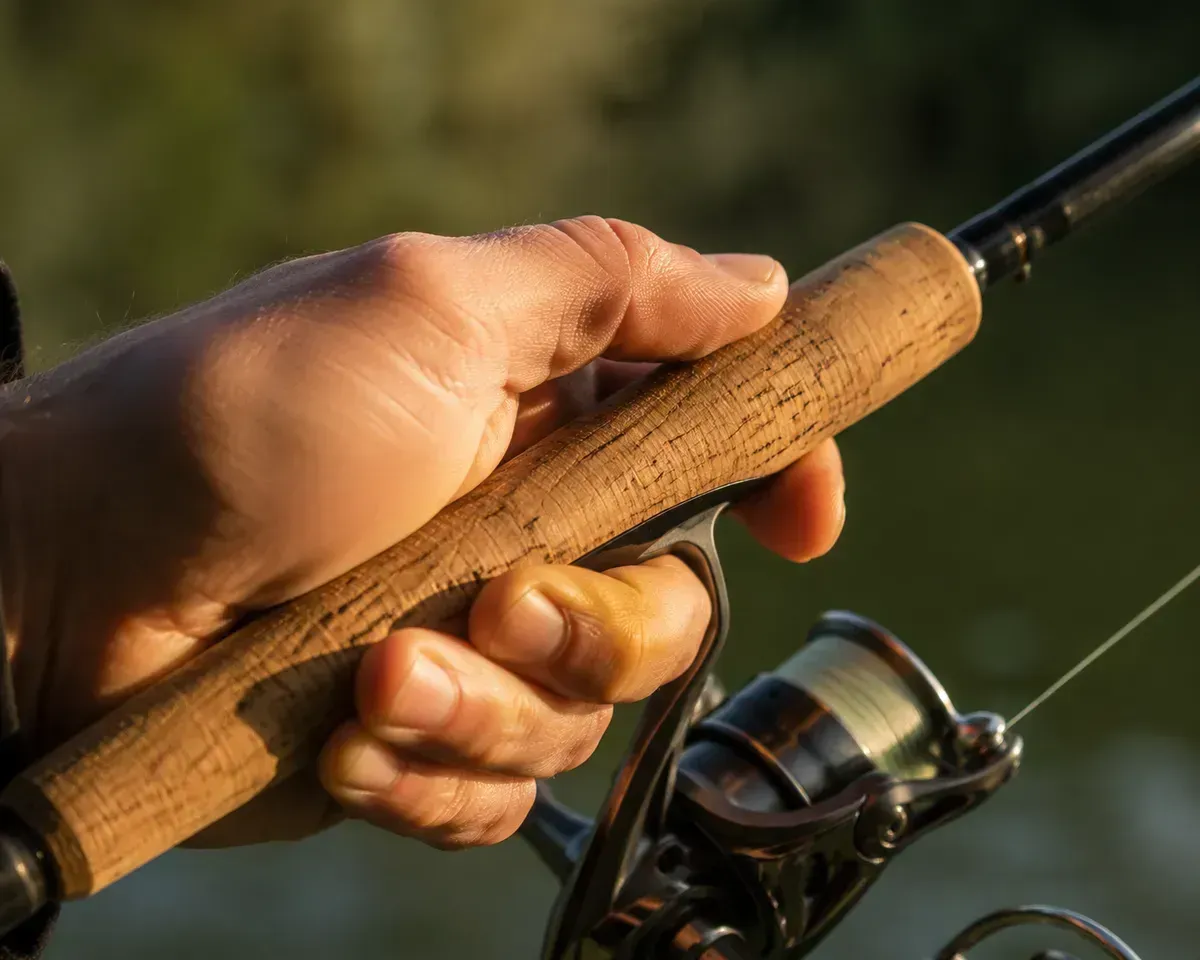
Most of us mount the reel, crank the hood down, and forget the reel seat exists. Over time, debris, moss, and grit collect under the hood, which lets it loosen until the reel can work itself free mid-fight.
Prevention takes two minutes: remove the reel, unscrew the hood and foregrip, and clean the entire threaded area with warm soapy water and a lint-free cloth. Stubborn debris may need a small toothbrush for a light scrub. Finish with a shot of glass cleaner for the like-new look, then reseat the reel and snug the hood back down. This applies to every reel you own, whether it's the Obsidian Carbon Micro Baitcasting Reel on your casting rod or the Polaris Carbon Micro Spinning Reel on your finesse setup.
Butt section and handles
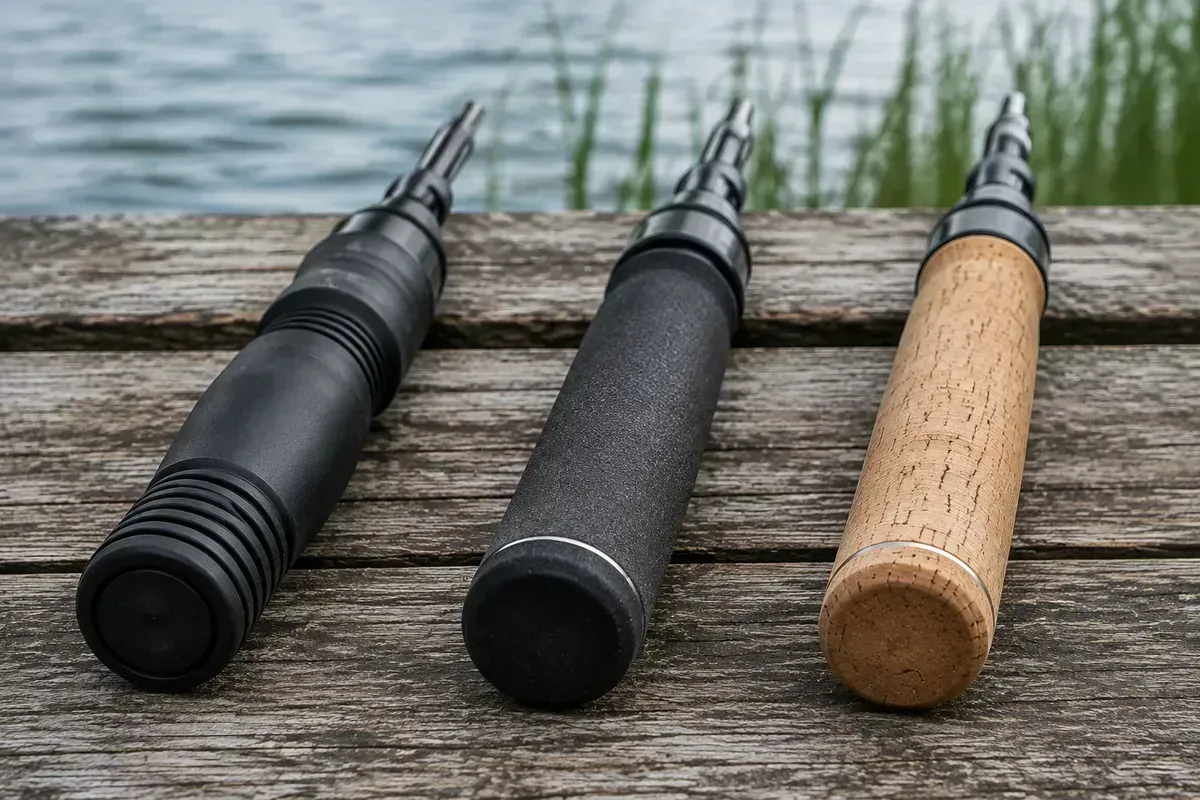
Handle materials each need slightly different care:
SlipLock-style rubber handles: rub down with warm soapy water, air dry, and they're done.
EVA foam handles: the same treatment works. Warm soapy water, a cloth, air dry.
Cork handles: cork absorbs dirt and oils, so wash your hands before grabbing the rod if you've been handling scents. Over time the cork will discolor no matter what. Scrub with warm soapy water and a small nylon brush, then air dry. If discoloration remains, hit it with fine-grit sandpaper, 800 to 1200 grit works well. Sand until you see the cork give, but don't dig ridges into it. Stop when your eyes say it looks right, and the cork will look factory fresh.
EVA handles are the easiest to keep clean, which is why a lot of anglers pick rods with EVA grips for hard-use fishing.
FAQ
What damages rods the fastest?
Saltwater exposure, prolonged UV sunlight, and storage in hot, humid environments. These weaken finishes, adhesives, and bonding materials over time.
How should rods be stored?
Vertically or horizontally on a rack that prevents bending stress. Don't lean rods against walls for long periods; pressure points slowly deform the blank.
Does line type affect rod wear?
Yes. Heavy braid and poorly tied knots increase stress on guides and the tip section. Smooth line flow and proper drag settings reduce that wear.
GEAR WE RECOMMEND
Pair your freshly maintained rod with the right reel: the Obsidian Carbon Micro Baitcasting Reel for power work, or the Polaris Carbon Micro Spinning Reel for finesse days.
Images: Photo by Real_T63, CC BY-SA via Flickr