Ultralight Fishing for Panfish and Trout: A Beginner's Guide
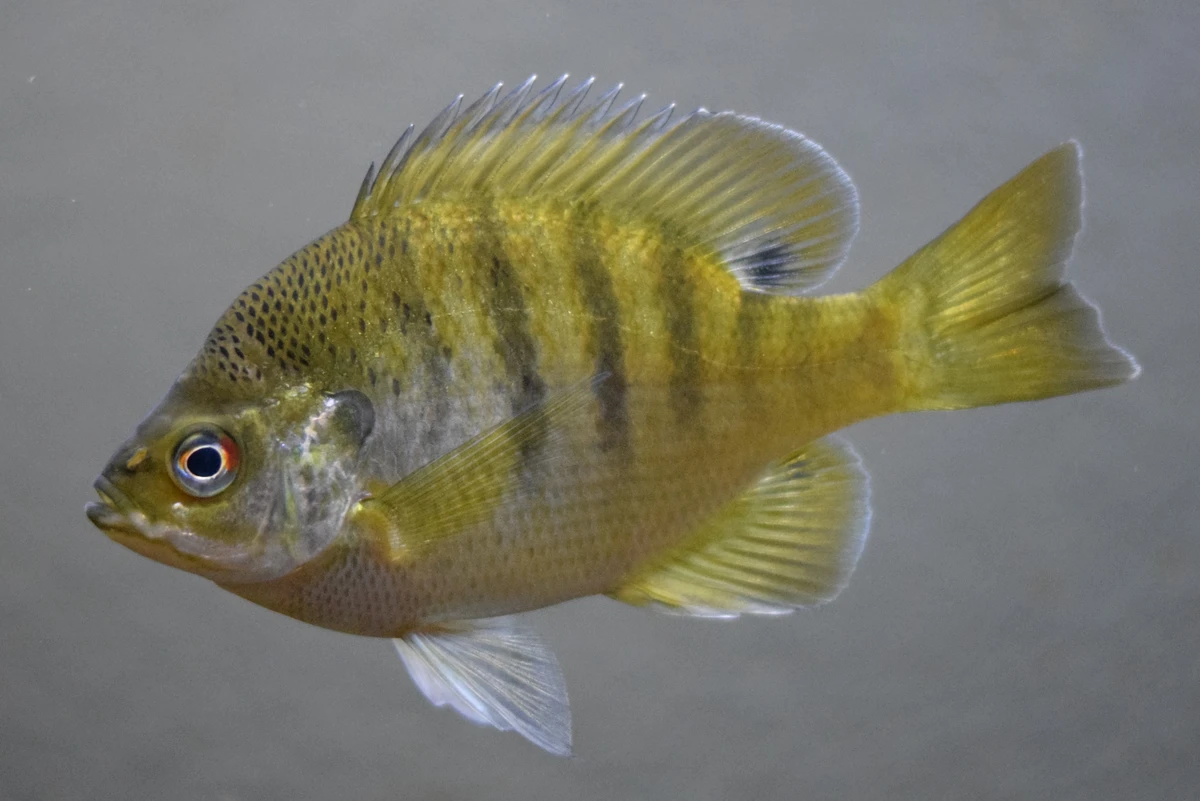
If you want the fastest way to put a bend in an ultralight rod, point yourself at panfish. Bluegill, crappie, and their cousins fight hard for their size, taste great in the pan, and live in nearly every lake, pond, and slow stream in the country. The numbers are hard to ignore: roughly a quarter of all U.S. anglers target panfish, and the category drives billions in annual retail spending.
Panfish are also the perfect training ground. The same ultralight gear and finesse techniques that make you deadly on bluegill translate straight to stream trout, which makes this the ideal starting point for beginners, kids, and anyone who wants more fun out of light tackle.
The right ultralight setup
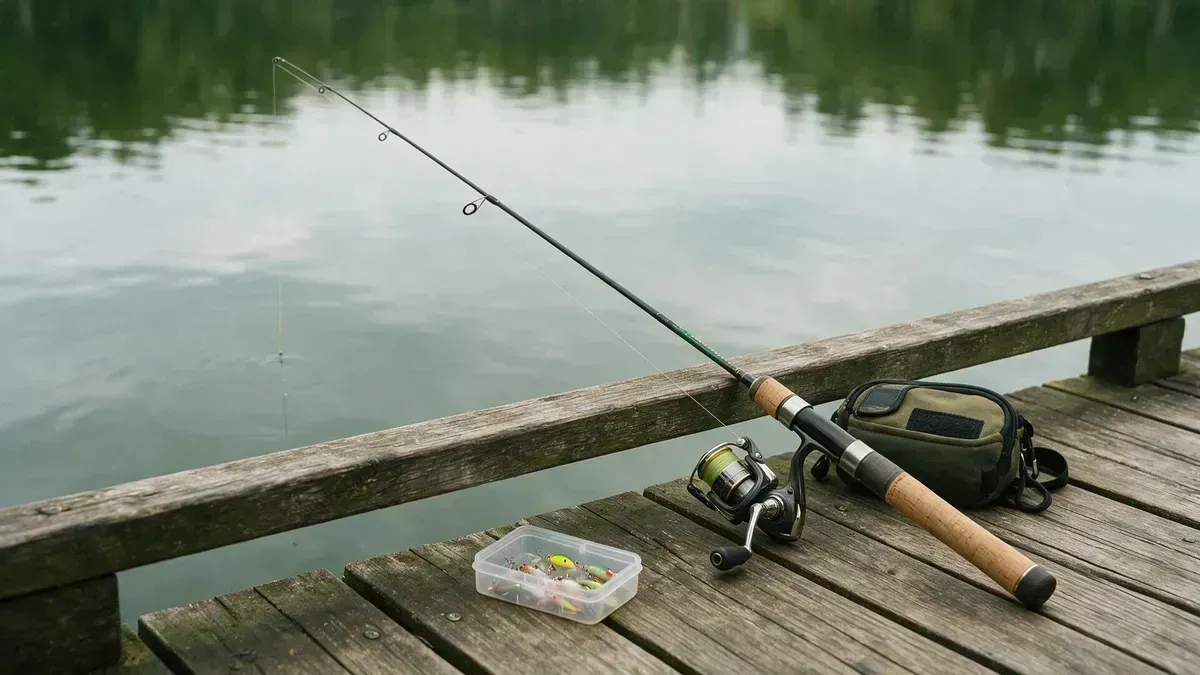
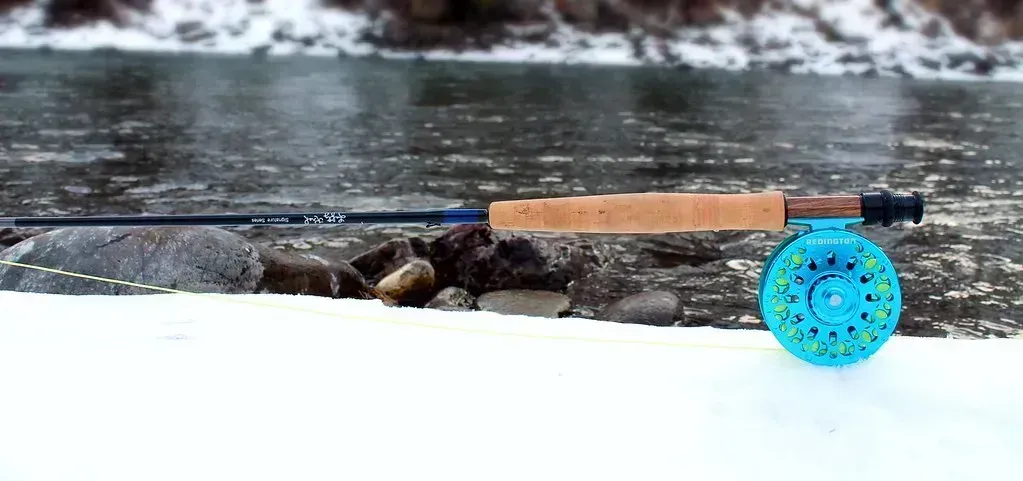
Keep it simple: a light-action rod in the 6 to 6'8" range rated for 2 to 8 lb line, paired with a size 1000 or 2000 spinning reel. That combination maximizes sensitivity and casting performance with the tiny lures panfish demand, and it's equally at home on a trout stream.
Line: 4 to 8 lb test is the sweet spot, whether monofilament, braid with a fluorocarbon leader, or straight fluorocarbon. Light line gives small baits natural action and makes even the softest bite obvious. On a typical panfish pond, 6 lb mono is all you'll ever need.
Hooks: beak-style hooks in size 6 or 8. Size 6 is a good default because it helps prevent deep hooking; drop to size 8 or 10 when the fish are small or kids are fishing.
If you're looking at this and realizing you don't own an ultralight outfit, our Polaris Carbon Micro Spinning Reel is set up for exactly this kind of fishing, ready to spool and go.
Find the fish
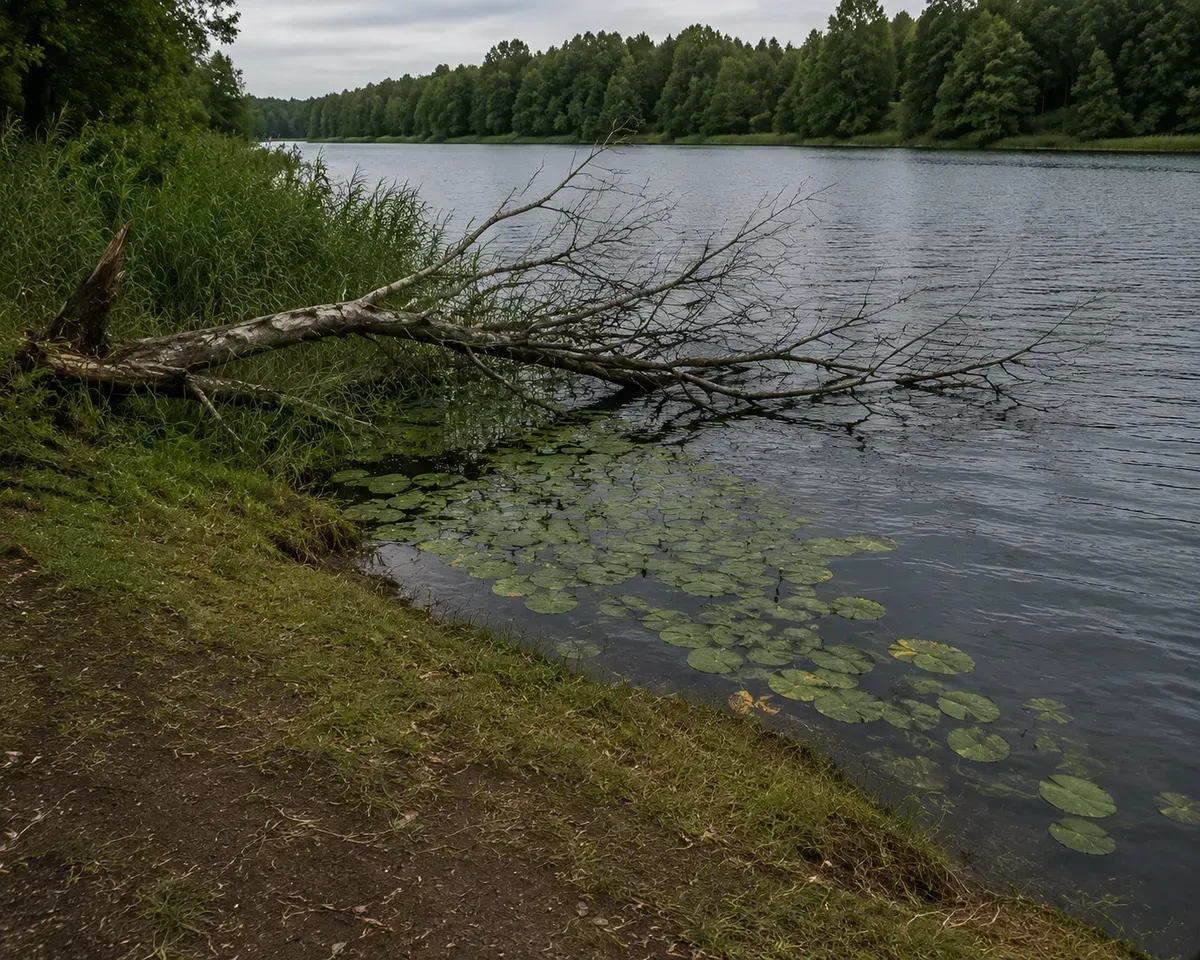
Bluegill are the easiest fish in the world to locate. On almost any lake they inhabit, you can spot their beds from the shore: hollowed-out sandy circles in water usually less than 4 feet deep. Bluegill can spawn up to five times a year, starting in spring and running through summer, so those beds hold fish for months.
When beds are guarded, cast outside the bed first and work your bait onto it. A guarding fish will react to an intruder every time.
Crappie are a little different: they suspend around structure like brush piles, docks, and drop-offs, often at depths that change with the season. Work your ultralight jig slowly through likely cover until you find the school, then stay on it.
Baits that trigger bites
Live bait is the classic panfish answer: wax worms, small minnows, inch-long pieces of nightcrawler, and crickets or grasshoppers all work, with bright colors like chartreuse, yellow, and red leading the way.
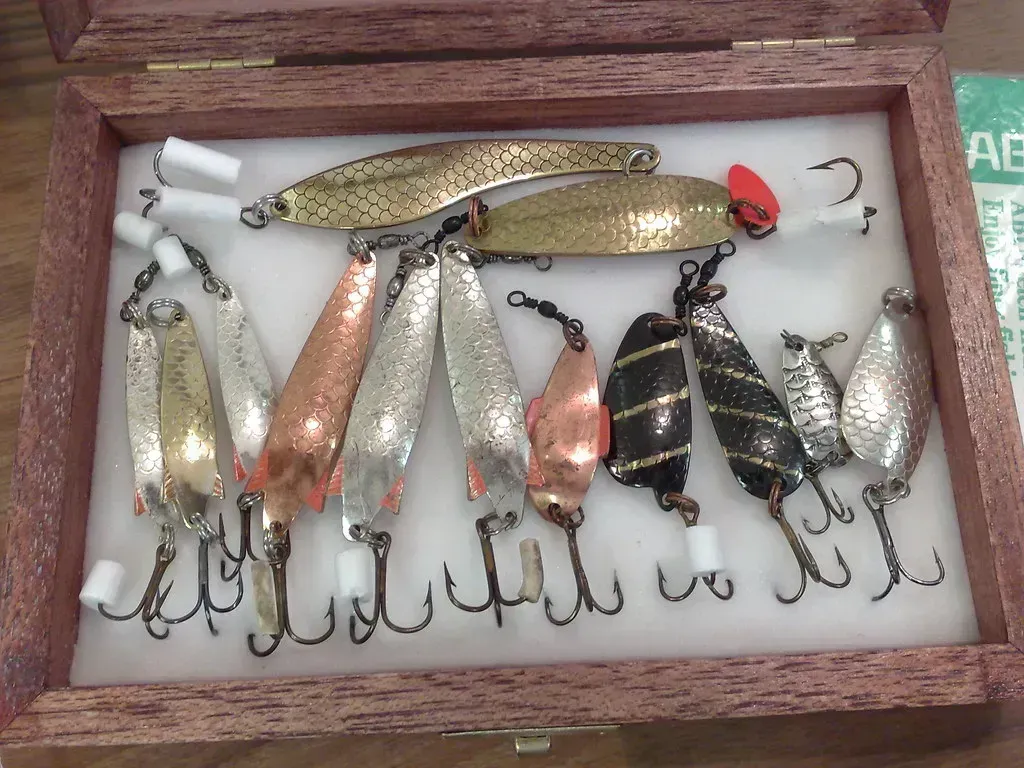
Artificial lures are just as effective and cover water faster. Small jigs, inline spinners, and micro crankbaits consistently trigger strikes, and tiny poppers are pure magic on bluegill. A favorite trick is the spin-and-fly: rig a small fly or popper about three feet below a bobber, cast with ultralight spinning gear, and reel slowly with an occasional pop of the rod tip. The bobber adds just enough casting weight for the tiny fly, and the action drives panfish crazy.
Why finesse works
Finesse fishing is simply light line plus subtle presentation, which makes the bait look natural. That matters most in pressured fisheries where panfish turn cautious. Modern ultralight rods and micro reels improve on the formula by adding casting accuracy and sensitivity, so you can put a 1/32 oz jig exactly where the fish are and feel the take when it happens.
The same principles carry straight into trout fishing. Stream trout sit in slower water and feed on small insects, and an ultralight spinning outfit with light line and small spinners or soft baits presents exactly what they're eating. The gear you buy for panfish is the gear you use for trout, which makes ultralight the most versatile rod in your rack. Once you're comfortable, you can get even more technical with a micro baitcaster like the Obsidian Carbon Micro Baitcasting Reel, which handles the same light baits with thumb-level precision.
Fishing with kids
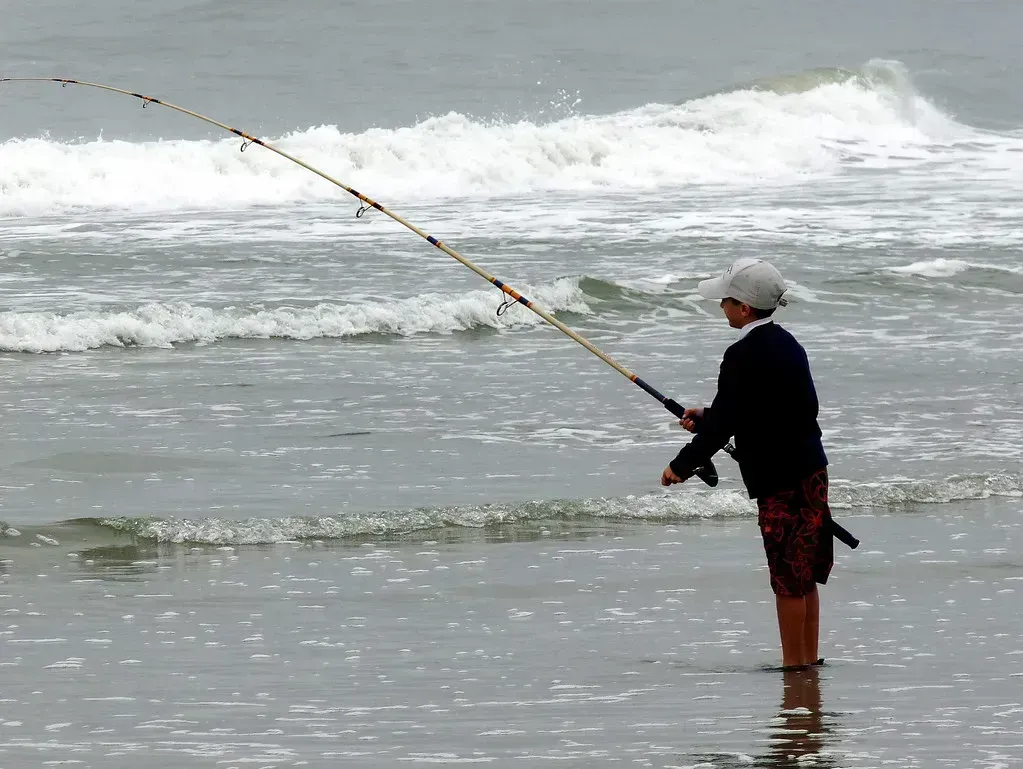
Bluegill are the perfect first fish. They bite eagerly, fight surprisingly hard for their size, and can be caught all year, including through the ice in winter. Start kids on size 8 or 10 hooks, teach them catch-and-release on the small ones, and keep a few of the bigger fish, 6 to 8 inches and up, for the frying pan. A day on a bluegill pond turns more non-anglers into anglers than any other fishery in the country.
GEAR WE RECOMMEND
Polaris Carbon Micro Spinning Reel — light, smooth drag, ready for bluegill, crappie, and stream trout. Sensitive enough for the lightest bite.
Obsidian Carbon Micro Baitcasting Reel — step up for thumb-level precision with the same ultralight baits. Ideal for tight, technical micro fishing.
FAQ
What is the best setup for panfish?
A light or ultralight spinning combo: size 1000 to 2000 reel, finesse rod, 4 to 8 lb line.
Are artificial lures effective for panfish?
Yes. Small jigs, inline spinners, and micro crankbaits trigger consistent strikes and cover water faster than live bait.
Why is finesse fishing so effective?
Light line and subtle presentations make baits look natural, which is critical in pressured fisheries. It also boosts casting accuracy and bite detection.
Why are panfish so important?
Panfish are one of the largest segments of U.S. recreational fishing, drawing roughly 24% of all anglers and billions of dollars in annual retail spending. They're accessible, easy to catch, and great on the table.
Images: Photo by Scott Harden, CC BY-SA via Flickr; Photo by ryndon, CC BY via Flickr; Photo by Podknox, CC BY via Flickr; Photo by ewan traveler, CC BY via Openverse/Flickr; Photo by brianfuller6385, CC BY-ND via Flickr