How to Choose the Right Fishing Reel
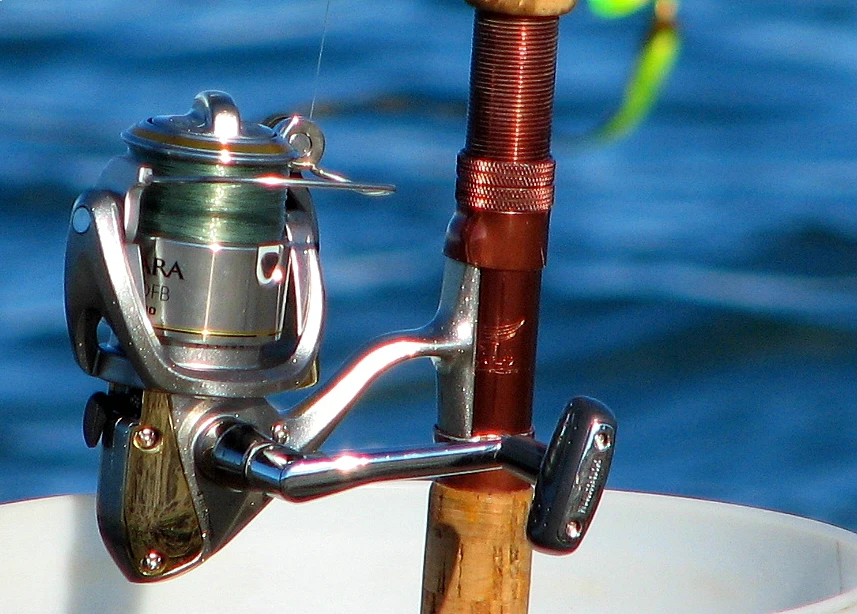
Walk into any tackle shop and the reel aisle is a wall of options: big offshore reels, tiny ultralight models, spincast combos, underspin reels, and everything between. Strip away the noise and modern fishing really comes down to two systems: spinning reels and baitcasting reels.
These two cover almost everything you'll do on the water, and most pros keep both on the deck. So how do you decide which one to buy?
It's not just preference. It comes down to how each reel is built, how it casts, and the situations it's designed for.
Spinning reels: where beginners should start
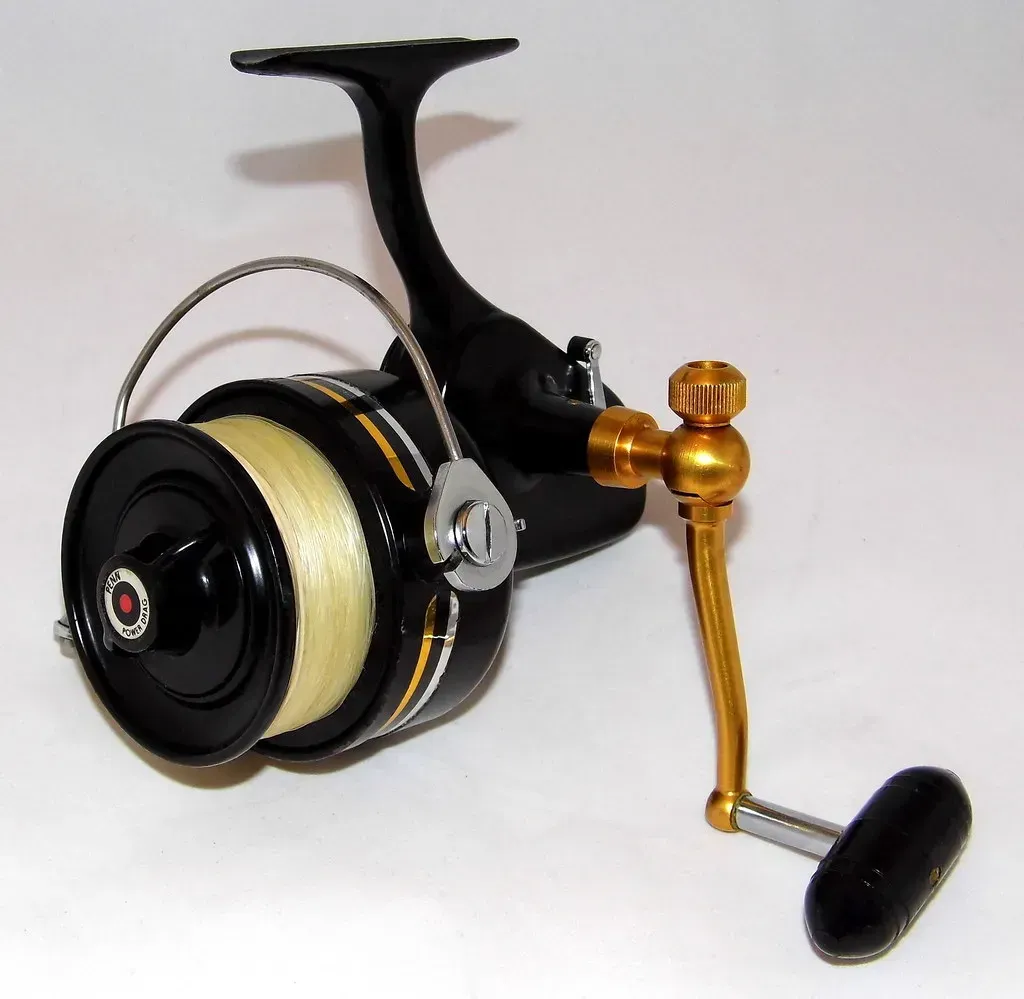
A spinning reel hangs under the rod, and its biggest advantage is that it's simple and forgiving. The spool stays fixed during the cast, so line peels off in natural loops instead of being controlled by spool rotation. That one design choice removes the most common beginner problem: backlash.
Casting is intuitive. Open the bail, hold the line, flick your wrist, and the system basically stabilizes itself. Spinning reels also handle light lures and finesse presentations far better than baitcasters, and they cost less: a very usable spinning reel is cheap, and mid-range models punch way above their price.
Pros use spinning gear more than they used to, and the reason is finesse fishing. A huge share of modern bass fishing runs on light presentations like drop shots, wacky rigs, Ned rigs, and Neko rigs. These baits are so light that a spinning reel handles them properly, because it doesn't depend on spool speed matching lure speed. Clear water, cold fronts, and pressured fish all point the same way.
Baitcasters: what they're really for
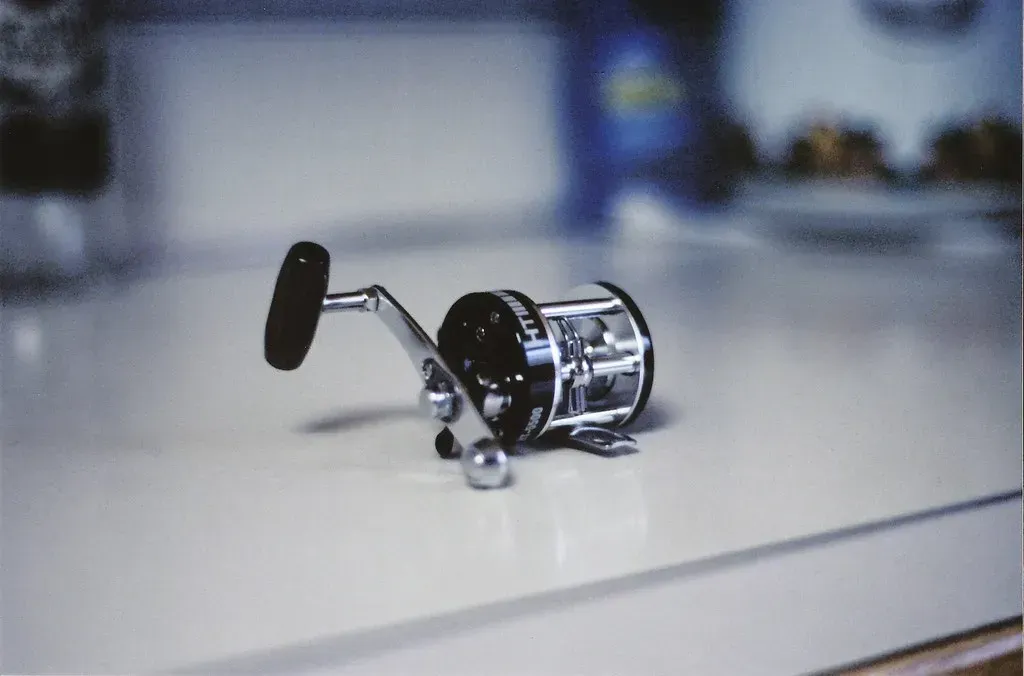
A baitcaster sits on top of the rod with a spool that rotates as line goes out. That gives you a different level of control over distance, accuracy, and lure placement, but it comes with a learning curve.
The catch is backlash. When the spool spins faster than the lure pulls line, loose coils collapse and tangle inside the spool. That's why so many beginners get frustrated on day one.
Modern technology changed the game, though. Today's baitcasters use magnetic brakes, centrifugal systems, or a mix of both to regulate spool speed through the cast, and the newest reels even adjust braking electronically in real time. That's the difference between a reel you fight with and a reel you just cast.
Baitcasters are the better tool for heavier lures, stronger drag, and power situations: jigs, Texas rigs, crankbaits, flipping and pitching into thick cover, and fighting bigger fish.
So which do you buy?
Don't ask which reel is "better." Ask what you'll actually do on the water.
If you're a beginner, or you mostly fish light lures and finesse techniques, a spinning reel makes the learning curve painless and lets you focus on catching fish.
If you fish heavy cover, heavy baits, or want maximum casting precision, a baitcaster is the stronger choice once you put in the practice time.
Most experienced anglers end up owning both and switching by situation, and that's honestly the right answer. We make both: a Polaris Carbon Micro Spinning Reel for the light stuff and an Obsidian Carbon Micro Baitcasting Reel for everything else, so you can build that two-outfit setup without hunting around.
Size matters more than you think
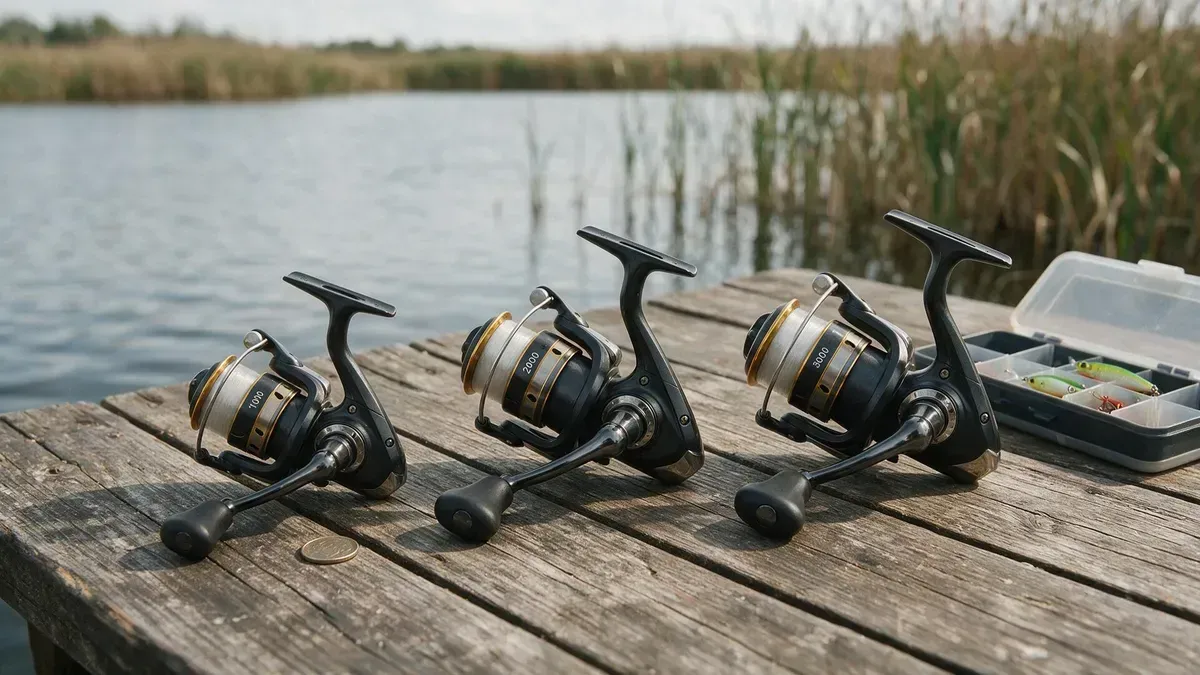
Size affects balance, casting feel, and performance. For spinning reels, smaller sizes are lighter and more finesse-oriented; larger sizes hold more line and handle heavier work.
For most anglers, a size 2000 spinning reel is the most balanced starting point. It's versatile enough for bass, trout, and walleye, yet light enough to cast all day.
Drag: one rule worth remembering
Drag controls how much resistance a fish feels when it pulls line. Spinning reels use a smooth front or rear drag that's easy to adjust mid-fight; baitcasters use a star drag that delivers strong, consistent pressure for big fish and heavy cover.
And one simple rule most beginners miss: if you hear the drag clicking while a fish is pulling line, stop reeling. Reeling against the drag twists your line and causes problems later.
Final thoughts
If you're just getting started, buy a spinning reel first. It's easier to learn, more forgiving, and covers more of what you'll fish. Once you outgrow it, add a baitcaster for the power and precision work, and run both side by side like most pros do.
GEAR WE RECOMMEND
Polaris Carbon Micro Spinning Reel — light, smooth drag, built for the drop shots and finesse presentations this guide covers.
Obsidian Carbon Micro Baitcasting Reel — magnetic brakes that are actually easy to dial in, for the heavy cover and power fishing side.
Images: Photo by Jan Tik, CC BY via Flickr; Photo by France1978, CC BY-SA via Flickr; Photo by ramendan, CC BY-ND via Flickr; Photo by Dan4th, CC BY via Flickr