How to Cast a Baitcasting Reel Without Backlashes
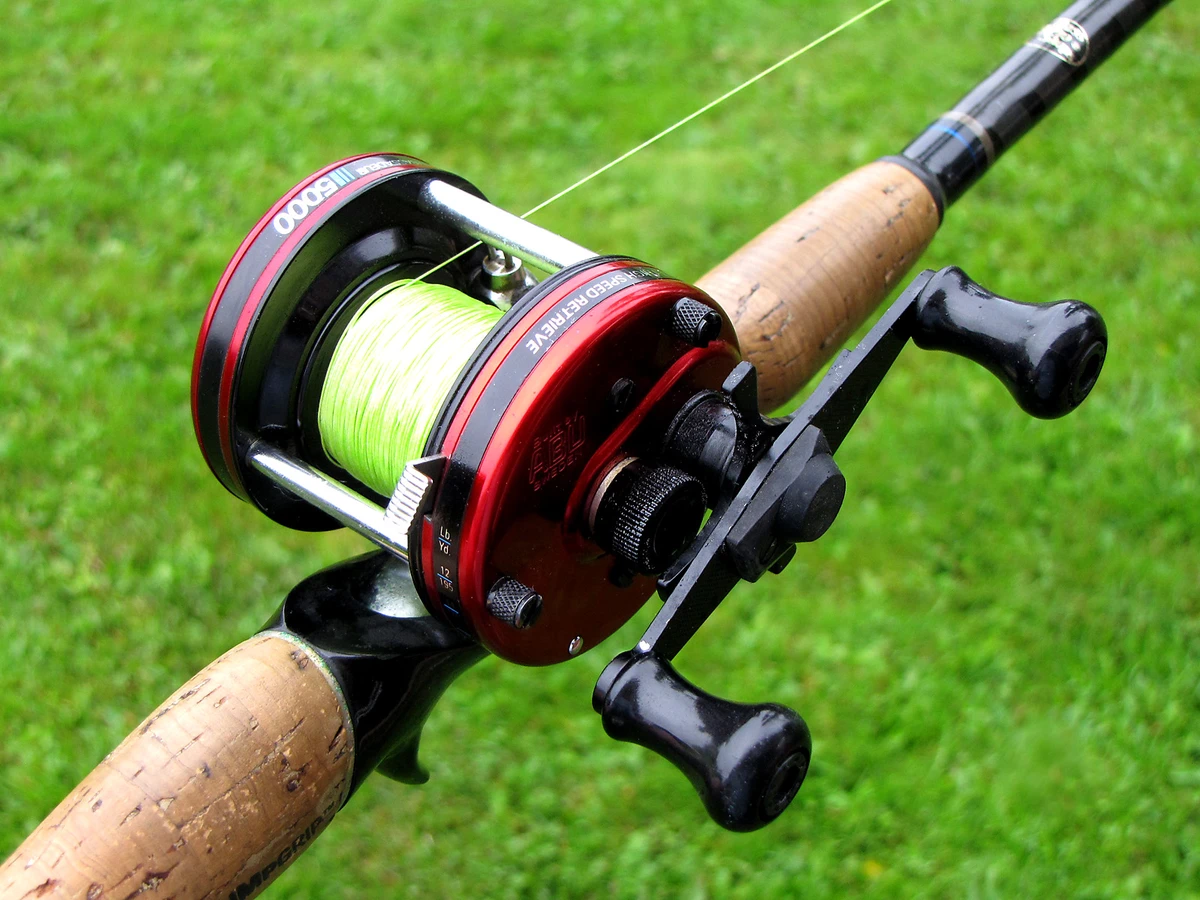
Nobody picks up a baitcaster and nails it on day one. You watch a tournament pro flip a jig into a pocket of cover like it's nothing, then you try the same cast and spend the next ten minutes picking a bird's nest out of your spool.
Straight talk: every baitcasting reel can backlash, including the expensive ones. It happens when the reel isn't set up right, or when the line doesn't match the rod and the lures you're throwing. But once you understand how the reel actually works, backlashes go from routine to rare.
Here's what to adjust and how to cast, in the order that matters.
Start with the right line
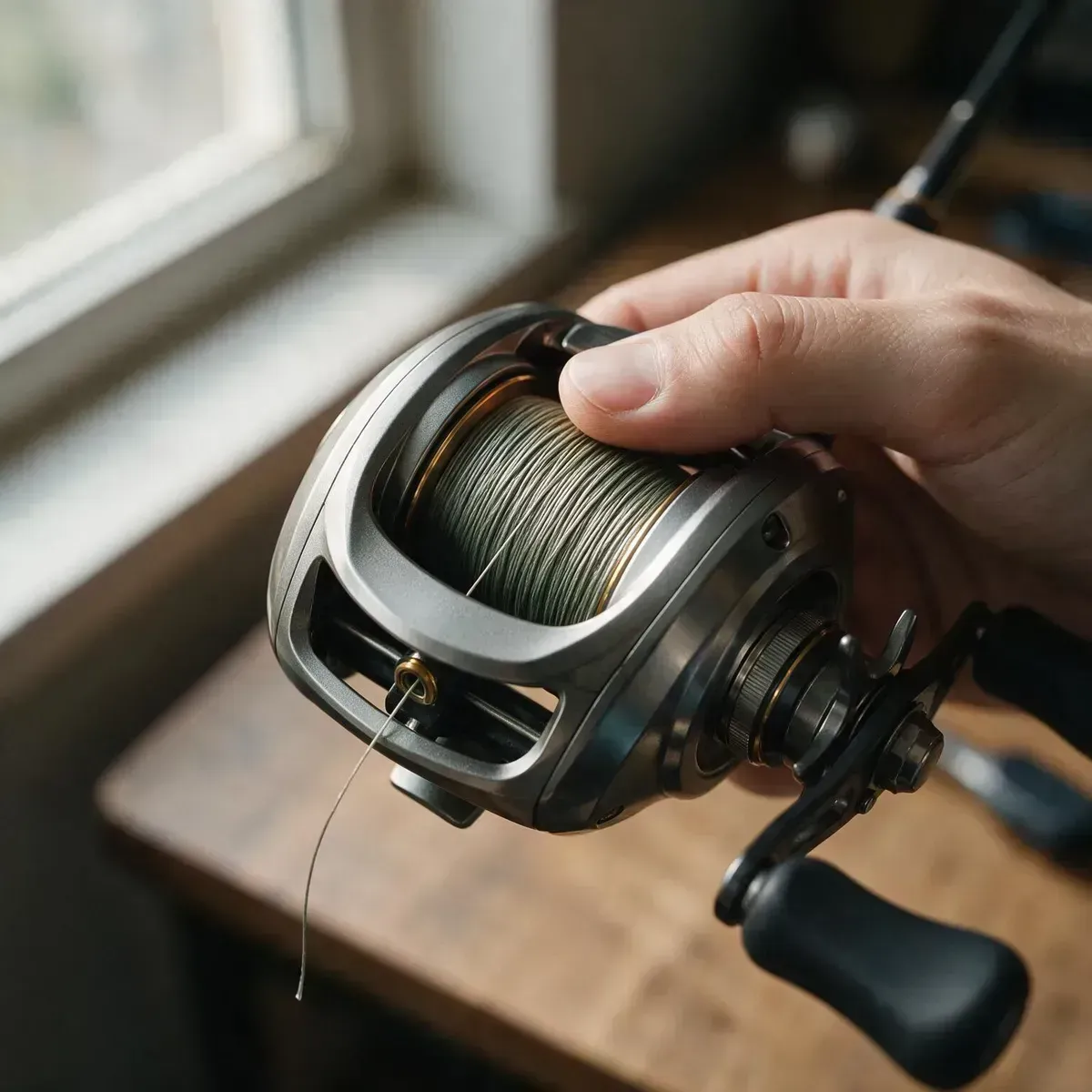
The line you spool matters more than most beginners realize. You want a balanced setup where reel, line, and lure work together.
A lightweight bait finesse reel is built for small presentations, so loading it with heavy braid is asking for trouble. The reverse is just as bad: a standard baitcasting reel running line that's too light for the lures you throw. Get the match right and the spool turns smoother, casts are more consistent, and you spend less time clearing tangles.
Why reels backlash in the first place
A backlash happens when the spool keeps spinning faster than the lure can pull line off it. The excess line piles up and knots into the classic bird's nest.
No braking system on the market eliminates this completely. What good brakes do is control it. Two adjustments on your reel do almost all the work:
- The spool tension knob controls how freely the spool rotates.
- The braking system controls how fast the spool spins during the cast.
Figure out those two and you've solved most of your backlash problems.
Set the spool tension with your bait tied on
Tension should always be set with the actual bait you're going to cast tied on. A heavy crankbait and a light finesse lure need very different settings.
Press the thumb bar to release the spool and let the bait fall. You want a controlled, steady drop. Falls too fast? Tighten the knob a little. Barely falls or stops? Loosen it. When the bait drops at a smooth, even speed, the tension is right for that lure.
Switch to a significantly lighter or heavier bait later and you'll need to check the tension again. If you're just starting out, a reel with a smooth tension knob saves a lot of frustration, because cheap reels bind and skip and you end up guessing where the setting actually is.
Run the brakes high while you learn
The braking system slows the spool during the cast. More brake means more control and shorter casts. Less brake means longer casts and more risk.
If your reel has ten brake settings, start around level eight. Reels with magnetic braking, like our Obsidian Carbon Micro Baitcasting Reel, make this part easier: the brakes adapt to spool speed automatically, so you get control without the fiddling. As your thumb control improves, step the brakes down a little at a time. Don't chase distance by dropping the brakes early. Spool tension, a smooth cast, and the right line matter just as much.
Cast smooth, not hard
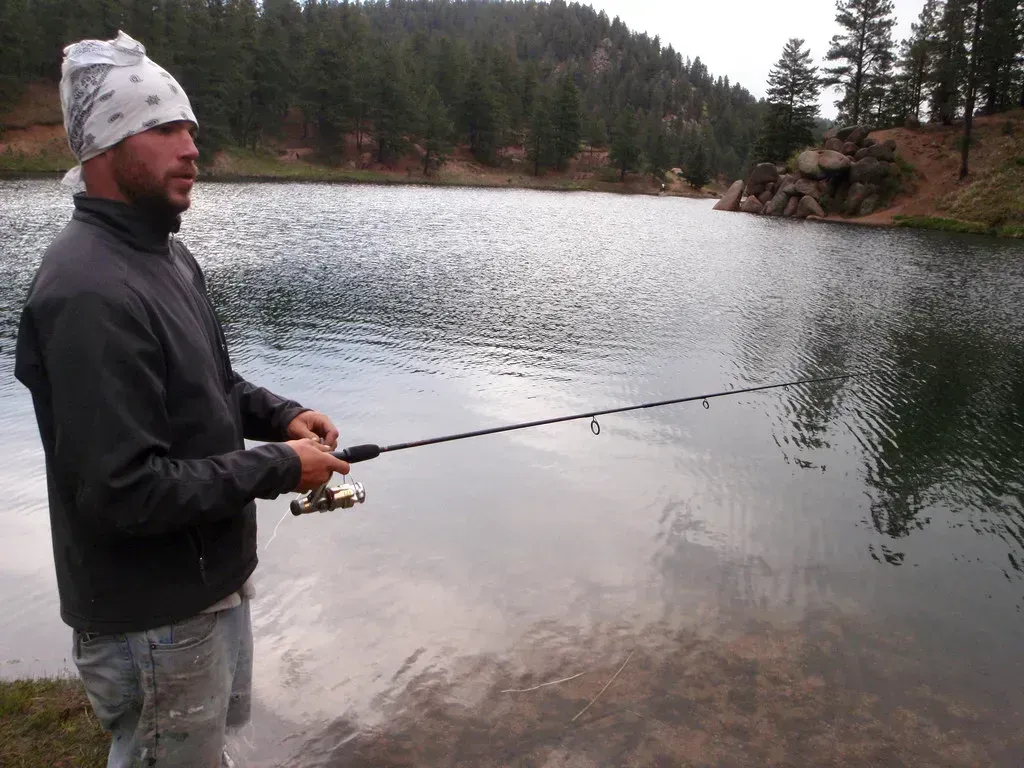
The most common beginner mistake is trying to muscle the cast. A baitcaster rewards a smooth, controlled motion. Whip the rod hard and the spool accelerates faster than the lure can pull line, which is how you backlash on purpose.
Let the rod load naturally, accelerate smoothly through the cast, and feather the spool with your thumb as the lure lands. And keep this in mind: accuracy beats distance. A precise cast to a dock piling, a weed edge, or a laydown catches far more bass than a long heave into open water.
Left-hand or right-hand? Your call
Retrieve hand is pure preference. Some anglers cast with their dominant hand and switch after the cast. Others cast and retrieve with the same hand and never switch at all.
Try both on the water and keep whichever feels natural. There's no wrong answer.
Adjusting for different rigs
Carolina Rig: the weight and bait are separated, so a hard overhead cast makes the rig spin and helicopter in the air. Use a smooth lob-style cast with the rig hanging one to two feet below the rod tip. Control beats distance here.
Crankbait: crankbaits are the easiest lures to cast with a baitcaster because their weight loads the rod naturally. Use a smooth two-handed motion and avoid snapping the rod. A sudden stop lets the spool keep spinning after the lure slows, and that's exactly how overruns start.
Flipping and Pitching: short-range, high-accuracy presentations for heavy cover. Pitching uses a pendulum swing to drop the bait quietly into a specific pocket. Flipping uses controlled line movement to work bait quickly along the bank or through multiple cover targets. Start with a slightly heavier bait when you're learning to pitch, because the extra weight smooths out the motion.
Punching: when bass are buried under thick grass mats, punching drives a heavy weight and soft plastic straight through the canopy. It needs heavier gear: strong braid, a heavy-action rod, and a big weight. The motion is like pitching, but the extra weight supplies the power.
Before you head out
- Match your line to your reel and technique.
- Set spool tension with the lure you'll actually fish.
- Run higher brakes until your thumb control is solid.
- Cast smooth, aim accurate, and stop forcing distance.
Spend one afternoon on these fundamentals and you'll untangle fewer nests and catch more fish than the anglers who never set their reel up right.
GEAR WE RECOMMEND
Obsidian Carbon Micro Baitcasting Reel — built for exactly this: smooth casting, easy brakes, and a tension knob that stays where you set it.
Tight lines.
Images: Photo by halseike, CC BY via Openverse/Flickr