Spinning vs Baitcasting Reel: Which Is Right for You?
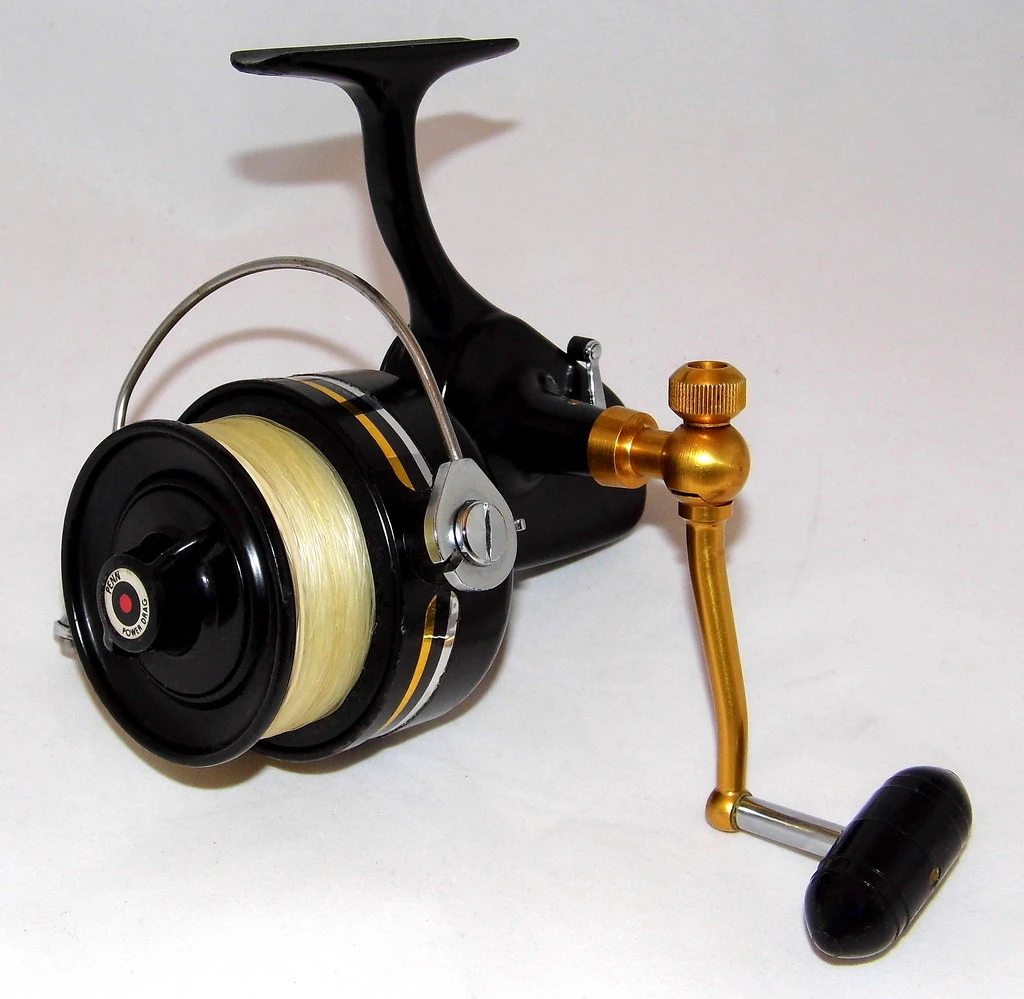
Ask ten anglers which reel is "better" and you'll get ten arguments. The honest answer is that spinning and baitcasting reels are different tools for different jobs, and most serious anglers own both. The question isn't which one wins. It's which one fits what you fish, how you fish, and how much patience you have for a learning curve.
Here's a straight comparison so you can make the call.
How they work: the core difference
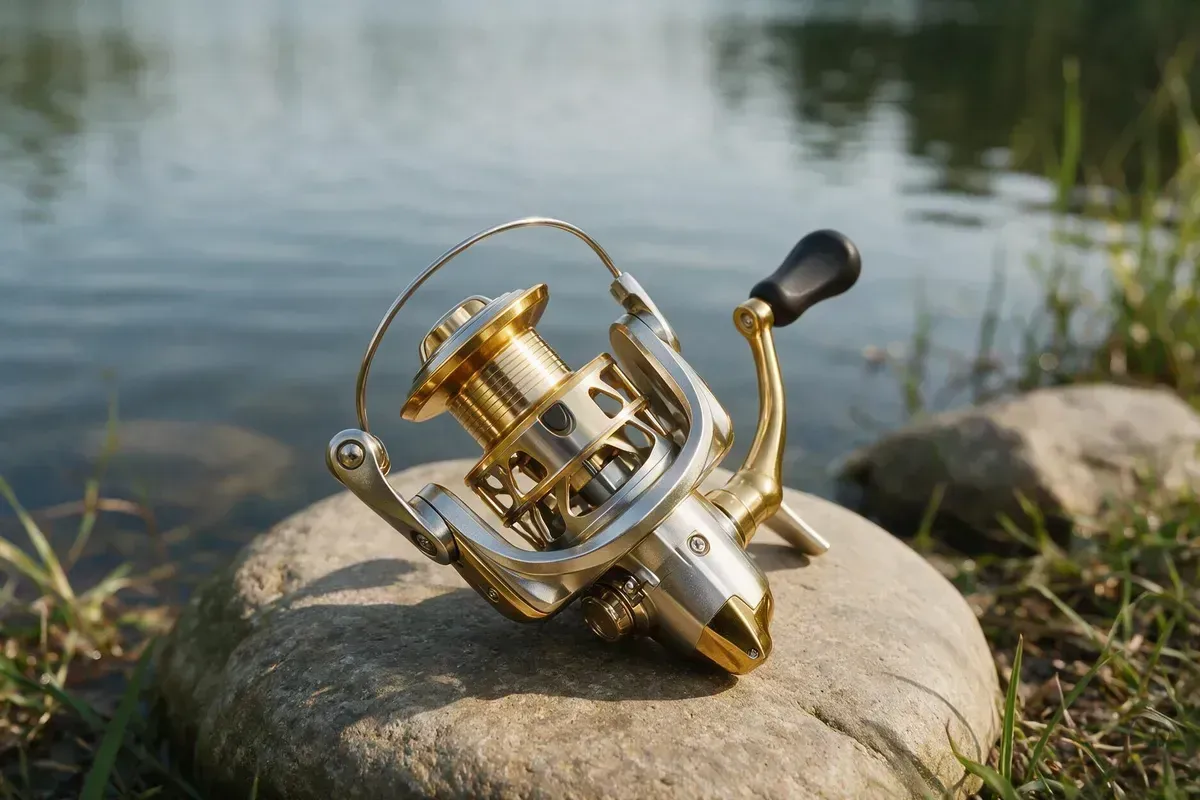
A spinning reel hangs under the rod with a fixed spool. During the cast, line peels off in natural loops, so the reel doesn't need to match the speed of your lure. That design is why spinning reels are forgiving by nature.
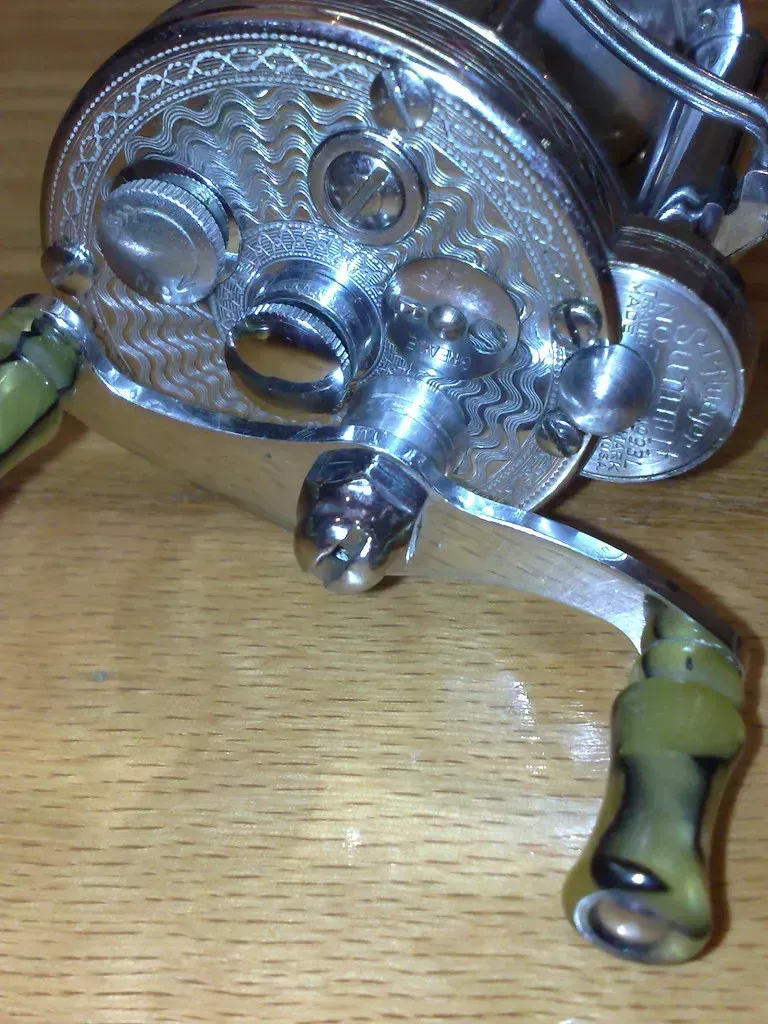
A baitcasting reel sits on top of the rod with a spool that rotates as line goes out. The spool wants to spin faster than the lure can pull line, and when it does, you get a backlash: loose coils collapsing into a tangle. Controlling that spool is the entire game with a baitcaster.
Where spinning reels win
Simple and forgiving. No spool management, no backlash, no frustration. You open the bail, flick the rod, and fish.
Light lures and finesse. Spinning reels handle 1/16 oz jigs, drop shots, wacky rigs, and other light presentations that a baitcaster simply can't throw well. If you fish ultralight or micro, spinning is the only realistic choice.
Affordable and versatile. A solid spinning reel costs less than an equivalent baitcaster, and one outfit covers bass, trout, panfish, and light inshore work.
This is also why pros keep spinning rods on the deck more than ever: modern bass fishing leans heavily on finesse presentations, and finesse is spinning territory. The Polaris Carbon Micro Spinning Reel is built for exactly this class of fishing, with a drag smooth enough for light line.
Where baitcasting reels win
Precision and control. Because the spool is under your thumb, you can drop a lure into a dinner-plate-sized pocket with practice. That accuracy matters in heavy cover.
Power and heavy baits. Jigs, Texas rigs, crankbaits, punching through grass mats, and fighting bigger fish all favor the stronger drag and direct power of a baitcaster.
Speed and efficiency. Flipping and pitching with a baitcaster lets you make repeated, accurate presentations fast, which is how tournament anglers cover water.
Modern baitcasters are also far easier than the old days. Magnetic brakes, centrifugal brakes, and now electronic braking systems actively regulate spool speed through the cast, taking most of the terror out of learning. On the Obsidian Carbon Micro Baitcasting Reel, the magnetic brakes are the first thing new users comment on, because you can set them once and stop thinking about them.
The learning curve, honest version
Expect a real learning curve with a baitcaster. Plan on a few evenings of practice in the yard, or a day on the water picking out birds' nests, before it clicks. Spinning reels have essentially no learning curve.
If you want the accuracy and power of a baitcaster, budget the practice time. If you just want to fish, buy a spinning reel and go.
Cost comparison
Spinning wins on entry price: you can get a very usable spinning reel cheaply, and mid-range models punch far above their price.
Baitcasters cost more for equivalent quality, and decent budget baitcasters are less common. But prices have come down, and a reasonable baitcaster is within reach of most anglers. The real cost of a baitcaster is the practice time, not the money.
Which should you buy?

Buy a spinning reel first if you're a beginner, fish light lures, chase panfish or trout with ultralight gear, or want one outfit that does everything.
Buy a baitcaster when you fish heavy cover and heavy baits, need pinpoint accuracy, target bigger fish, or want to level up your bass game.
Own both if you fish seriously. Keep a spinning combo rigged for finesse and a baitcaster for power, and switch by situation exactly like the pros do.
We make both, and we're a little biased toward that two-outfit setup: the Polaris Carbon Micro Spinning Reel for finesse days, the Obsidian Carbon Micro Baitcasting Reel for power days. Most of our customers end up with both in the cart anyway.
FAQ
Is a baitcasting reel harder to learn?
Yes, mainly because of backlash. Modern braking systems help, but expect practice time before casts feel natural.
Can a spinning reel throw heavy baits?
Within reason. Spinning reels handle moderate weights well, but for heavy jigs, thick cover, and big fish, a baitcaster delivers more direct power and control.
What size spinning reel should I start with?
A size 2000 is the most balanced starting point: versatile enough for bass, trout, walleye, and light inshore, light enough to cast all day.
Do pros use spinning reels?
More than ever. Finesse techniques like drop shots and wacky rigs are spinning presentations, so most pros run both systems on the boat.
GEAR WE RECOMMEND
Polaris Carbon Micro Spinning Reel — smooth drag, light-line friendly, the finesse half of the equation.
Obsidian Carbon Micro Baitcasting Reel — magnetic brakes that just work, the power half.
Build the two-outfit setup in our store.