What a Sealed Drag Actually Does on a $67 Spinning Reel
Most spinning reels fail in the same place, and it is not the gears. It is the drag stack. Water gets into the drag washers, the grease washes out, grit works its way in, and the smooth range you had in June becomes a reel that stutters under load by September.
A sealed drag is the fix. It is also the single most useful thing $67 can buy you on a spinning reel, which is why it is where we spent the money on the Polaris.
What "sealed" does and does not mean
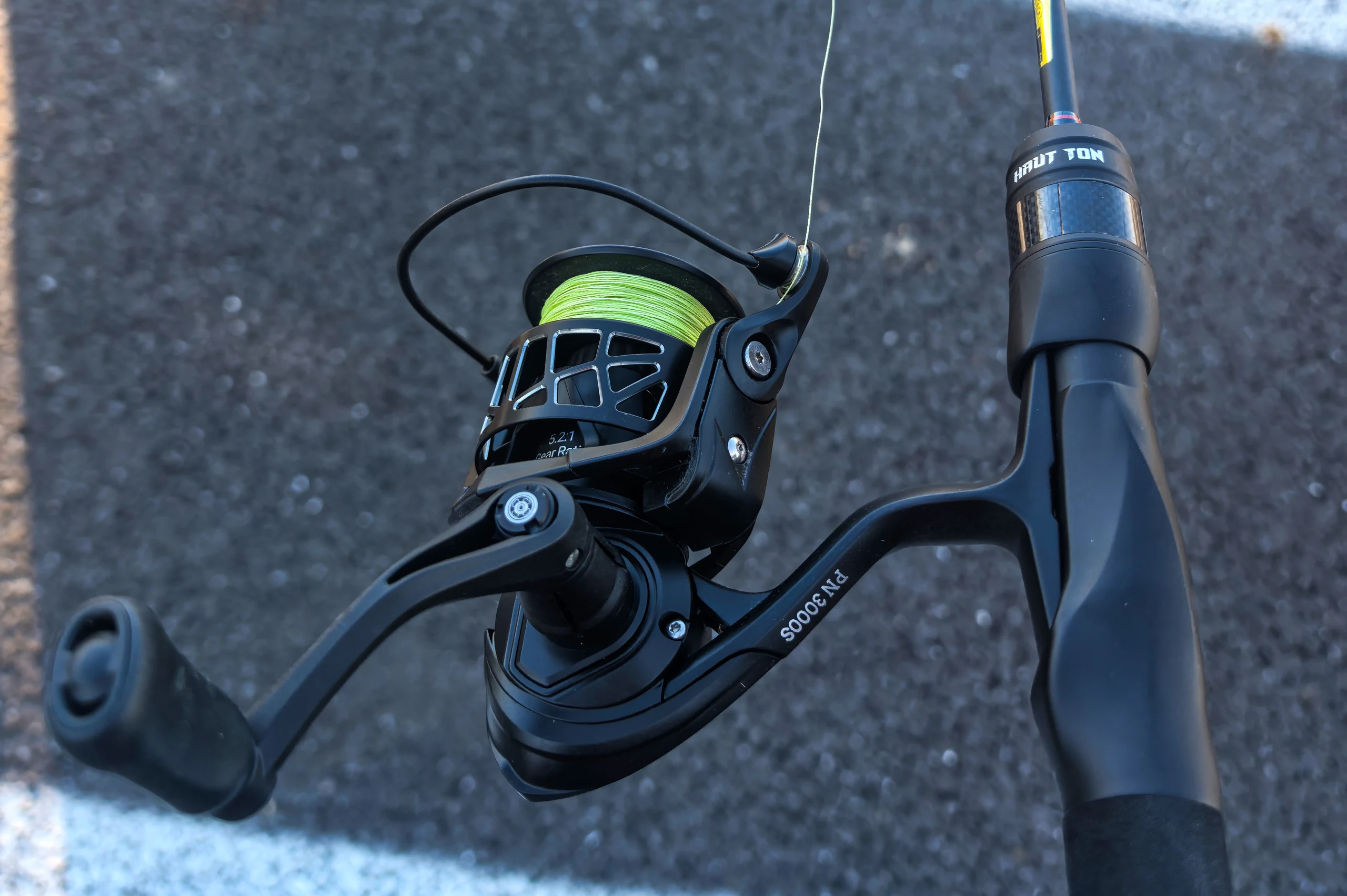
Sealed means there is a physical barrier — in our case a rubber-sealed drag cover — between the drag stack and the outside world. Water that lands on the reel runs off the cover instead of migrating down into the washers.
It does not mean waterproof. A spinning reel with a sealed drag can still get water into the body through the line roller, the bail area, or the anti-reverse bearing if you dunk it. Sealed drag protects one specific system, and that system happens to be the one that decides whether a reel feels smooth in year three.
This distinction matters more than the marketing usually admits. A reel billed as "sealed" and then taken swimming will still rust. A reel with a sealed drag that gets rained on, splashed, and set down in wet sand will keep its drag smooth for a long time.
The 240-hour number
Our spec sheet lists 240-hour salt spray testing. Worth being precise about what that is, because it gets misread constantly.
Salt spray testing is a corrosion test: the reel sits in a chamber of atomised salt water and gets inspected for corrosion over time. It is a standardised way to compare how well a finish and its sealing hold up. It is not a test of how the reel performs underwater, and a good result does not mean you can drop it in the surf.
What a 240-hour figure tells you is that the finish and the sealing were treated as an engineering problem rather than an afterthought. Cheaper reels rarely publish a salt spray figure at all.
For anyone fishing piers, jetties, or tidal water where the reel gets sprayed every session, that is the number worth looking for.
The screw-in handle, which nobody advertises
This is a small thing that turns out to matter daily.
Many reels in this price range use a fold-down handle held on by a push-button or a hinged joint. That joint is a moving part under load, and it develops play. Once it does, you feel a small wobble every turn of the handle, and it never goes away.
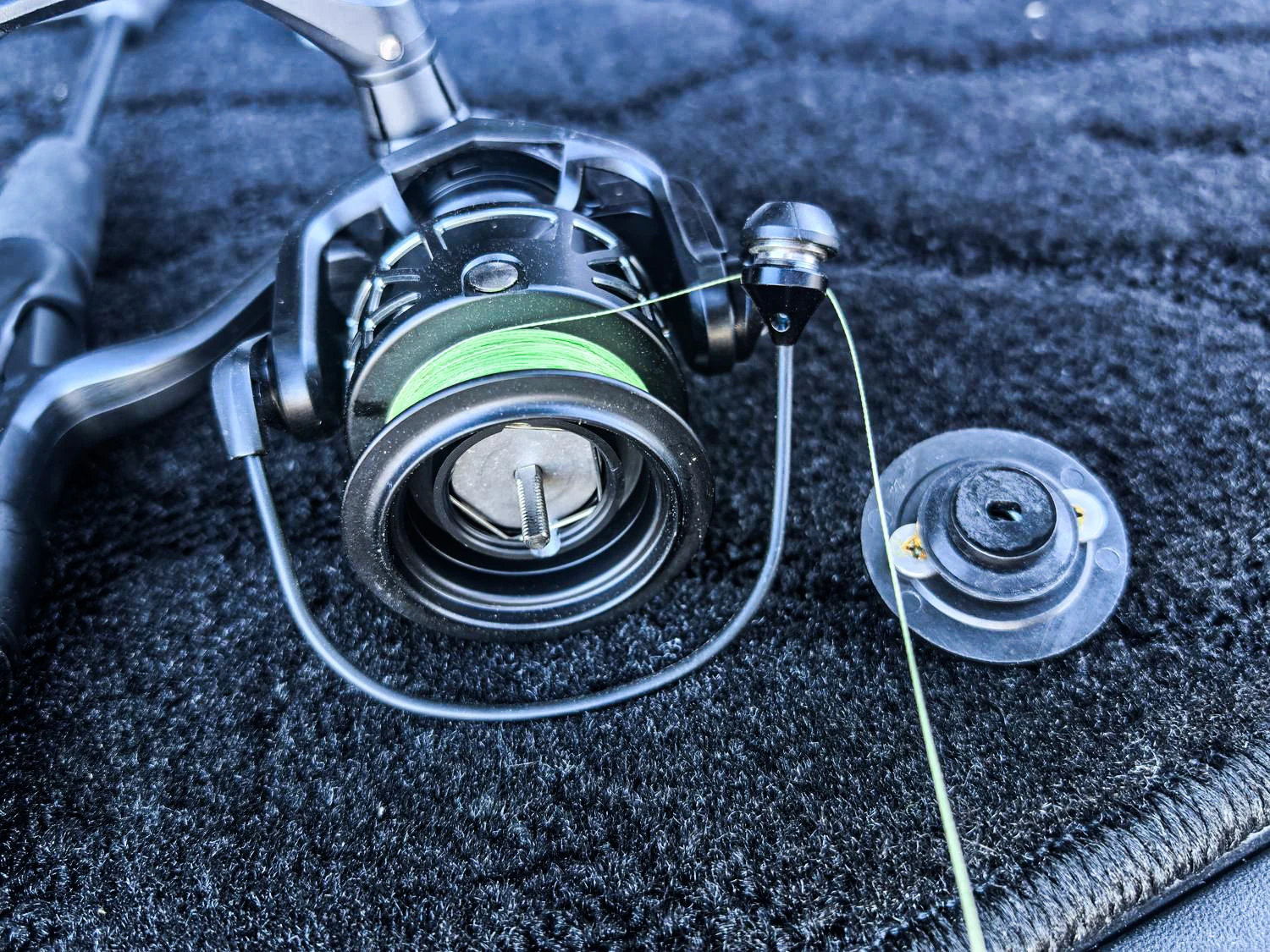
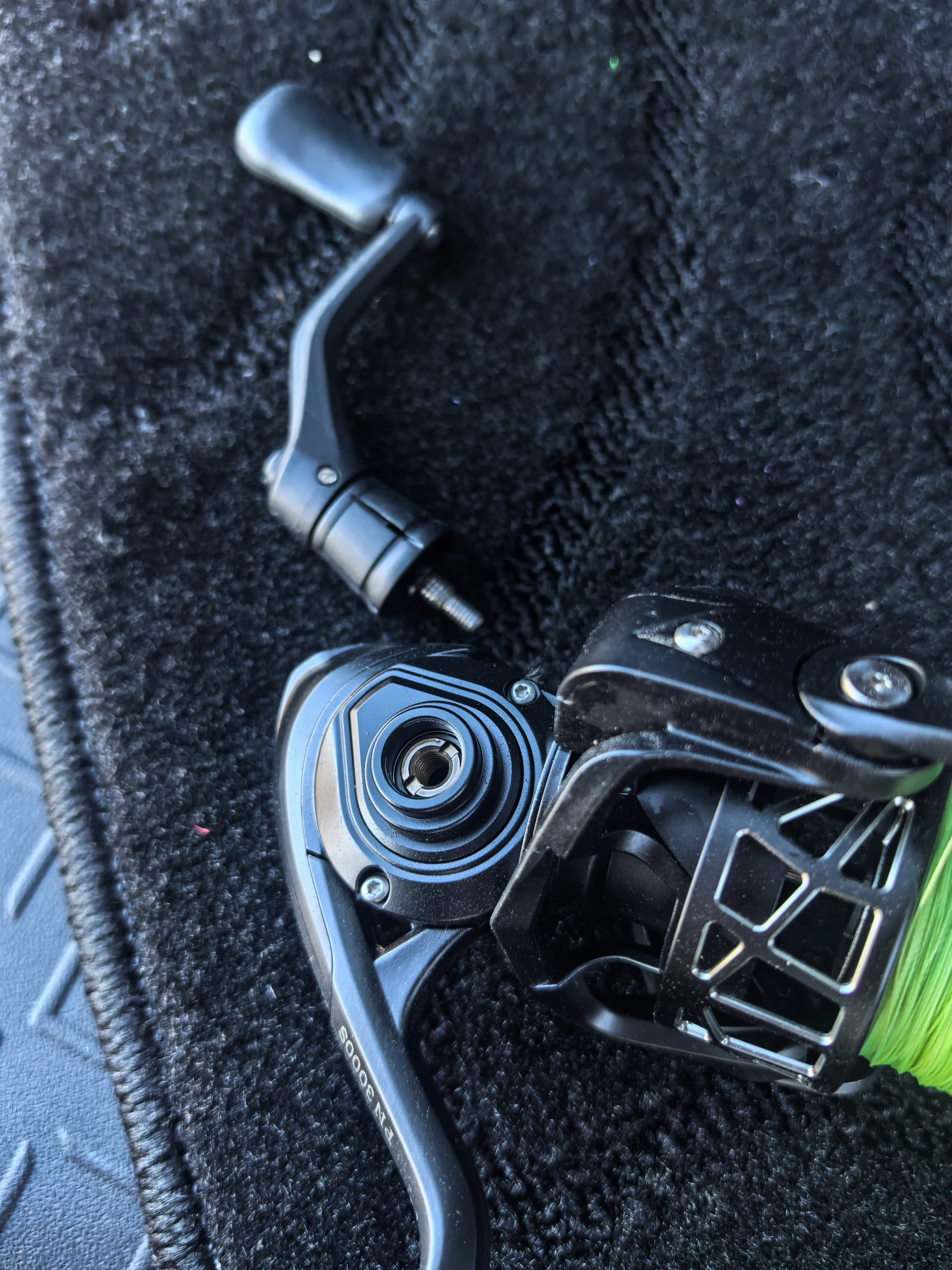
The Polaris uses a screw-in carbon handle with a soft rubber grip. It threads into the drive gear and stays there. No hinge, no button, no play to develop.
The cost is convenience — you have to unscrew it to pack the reel down flat. We think that is the right trade on a reel you are going to fish rather than travel with. If you break a rod down and stuff the reel in a bag every trip, you may disagree, and that is a legitimate reason to pick something else.
What the 3000 actually is
The 3000S is the size we fish most, so it is the one worth talking about in detail. It runs $66.99.
| Specification | Polaris PN 3000S |
|---|---|
| Weight | 5.1 oz / 145 g |
| Gear ratio | 5.2:1 |
| Max drag | 4 kg / 8.8 lb |
| Bearings | 6+1 BB |
| Line capacity (PE) | 1.5 PE / 131 yd · 2.0 PE / 115 yd |
| Body | Carbon fiber frame |
| Handle | Screw-in carbon, soft rubber grip |
| Retrieve | Left- and right-hand switchable |
5.2:1 is a moderate retrieve. That is a good all-round ratio: fast enough to work a swimbait or a spinnerbait, slow enough to crank a deep diver without wearing yourself out. It is not a burner. If your fishing is all fast topwater retrieves, you will want something faster.
8.8 lb of drag is honest middle ground. Plenty for bass, walleye, and most freshwater; enough for light inshore work on a calm day. Not enough for big fish in current, and not a number to buy if you are chasing anything that makes long runs.
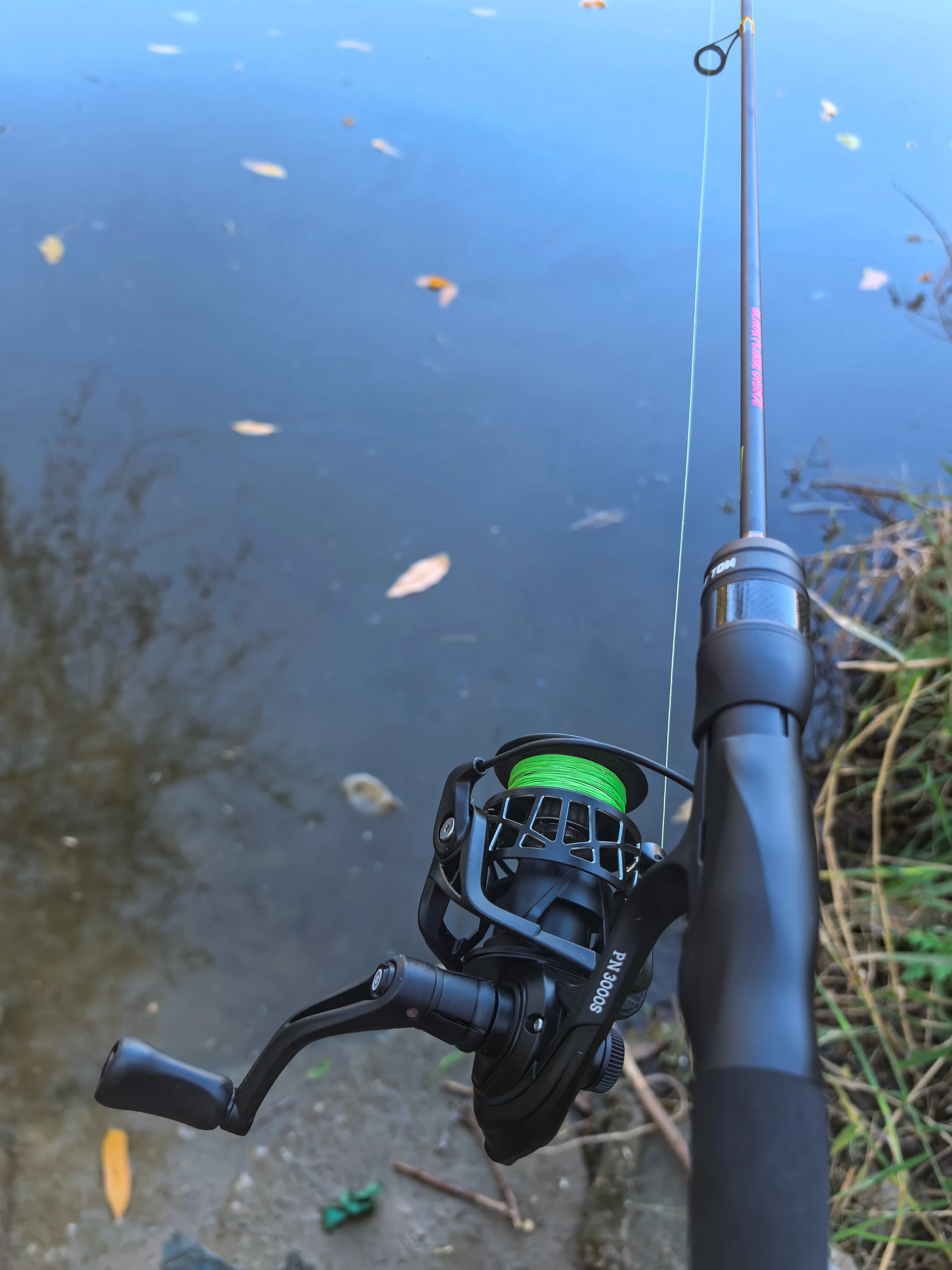
145 g is the number we would point at. A light reel does two things for you: it balances a light rod, and it does not tire your wrist over a long session. On a 7-foot medium-light rod the balance point ends up near the reel seat, which is where it belongs.
Where it stops
Stated plainly:
Not a heavy-cover reel. 8.8 lb of drag and 131 yards of 1.5 PE is a light-to-medium setup. Fishing thick grass or flooded timber with this is asking it to do something it was not built for.
Not a big-fish reel. If what you catch runs, this reel will not stop it.
Not a saltwater-specific reel. The sealing is good and the corrosion testing is real, but it is a freshwater-first reel that handles light salt duty. If your fishing is mostly surf and rocks, buy a reel designed around that.
Who should not buy this
- You throw heavy lures or fish thick cover. Get more drag and more line capacity. Nothing about this reel is designed for that.
- You need to pack the reel down flat every trip. The screw-in handle is a deliberate inconvenience. That is a real trade-off, not a flaw, but it will annoy you if portability matters more to you than handle rigidity.
- You want a burner reel for fast retrieves. 5.2:1 is not that.
If you do buy it
Put the line on and check the drag range before you fish. Back the drag off completely, then bring it up until the spool slips under a steady pull. Most people fish a spinning reel with the drag tighter than they need, which is how drag washers get flat-spotted.
Rinse the reel with fresh water after salt. Sealing keeps water out of the drag stack; it does not stop salt sitting on the outside of the reel, and salt left on a finish is what causes the corrosion the 240-hour test is measuring.
Switch the handle to whichever side you reel with before you spool it, not after.
More on this: how to choose the right fishing reel and spinning vs baitcasting. If you are brand new to lure fishing entirely, start with what lure fishing actually is.
See the Polaris spinning reel for the full size range and spec table.
What we are actually saying
$67 buys a sealed drag, a screw-in handle, cold-forged gears on a hardened aluminium shaft, and 145 g in a 3000-size body. It does not buy you a reel for big fish or heavy cover.
If your fishing is bass, walleye, trout, and the occasional calm day on a jetty, that is a sensible place to put the money. If it is not, the honest answer is to spend it somewhere else.